The line between YouTube and podcasting has completely blurred. Here is the strategic framework for deciding whether a YouTube podcast fits your business and how to launch one that actually generates revenue.
In 2026, the fastest-growing format on YouTube is the long-form conversation. Call it a podcast, call it a talk show, call it whatever you want — the data is clear: YouTube is now the number one podcast platform in the world. According to YouTube's own data, more people consume podcast content on YouTube than on Spotify and Apple Podcasts combined.
So should you start a YouTube podcast? After helping hundreds of thought leaders build their content strategy through our YouTube strategy services, I have a clear framework for answering that question. It is not a simple yes or no — it depends on your business model, your audience, and your content strengths.
The YouTube Podcast Landscape in 2026
The podcast boom that started in 2020 has fully matured. There are over 4 million podcasts, which means discoverability through audio-only platforms is essentially zero for new entrants. This is why YouTube matters. Unlike Spotify or Apple Podcasts, YouTube has a recommendation engine. It actively pushes your content to new audiences based on interest signals.

When you publish a podcast on YouTube, you get three distribution advantages that audio-only platforms cannot match:
- Search discoverability. People search YouTube for topics, not just show names. A single podcast episode optimized for a keyword can attract viewers who have never heard of you.
- Algorithmic recommendations. YouTube's browse feature suggests your episodes to viewers who watch similar content. This is free, automated audience growth that does not exist on audio platforms.
- Visual engagement. Body language, facial expressions, screen shares, and b-roll create a richer experience. Viewers retain more information and build stronger parasocial connections with hosts they can see.
Who Should Start a YouTube Podcast
A YouTube podcast is not right for everyone. Based on my experience coaching over 500 channels, here are the profiles that benefit most:
Coaches and consultants who sell high-ticket services. Long-form conversations showcase your depth of thinking in a way that short-form content cannot. A potential client who watches you discuss strategy for 45 minutes is far more qualified than one who saw a 60-second reel. If this is you, check out my detailed guide on YouTube strategy for coaches.
Industry experts building thought leadership. If you want to be the recognized authority in your space, interviewing other experts positions you at the center of the conversation. You borrow credibility from every guest while demonstrating your own expertise through the questions you ask.
Business owners who are better talkers than writers. If you struggle to create scripted YouTube content but thrive in conversation, the podcast format plays to your natural strength. Some of the best content I have ever seen came from entrepreneurs who were terrible on camera alone but electric in conversation.
Three Format Options for YouTube Podcasts
Not all YouTube podcasts look the same. Choose the format that matches your strengths and resources:
The Interview Show
You bring on guests from your industry and have deep conversations. This is the easiest format to produce because your guests bring 50 percent of the content. It also creates built-in promotion — guests share episodes with their audiences, giving you cross-pollination. The downside: you are sharing the spotlight, and your authority depends on the quality of your guests.
The Solo Deep-Dive
You sit down with a camera and talk through a topic for 20 to 45 minutes. This is the hardest format because you carry the entire episode alone, but it builds the strongest personal brand. Your audience comes specifically for your perspective. This works best for experienced speakers and coaches who can hold attention without a conversation partner.
The Co-Hosted Discussion
You and a regular co-host discuss industry topics, news, and strategies. This combines the conversational energy of an interview with the consistency of a solo show. The audience builds a relationship with both hosts. The risk: if one host leaves, the show's identity fractures.
Production Setup: Keep It Simple
I have seen creators spend $20,000 on a podcast studio before recording a single episode. Do not do this. Start simple and upgrade as revenue justifies it. Here is the minimum viable setup:
- Camera: Your smartphone or a basic webcam. The content matters more than 4K quality in the early stages.
- Microphone: A $100 USB microphone like the Audio-Technica ATR2100x. Audio quality is the one area where you should not cut corners — bad audio drives viewers away faster than bad video.
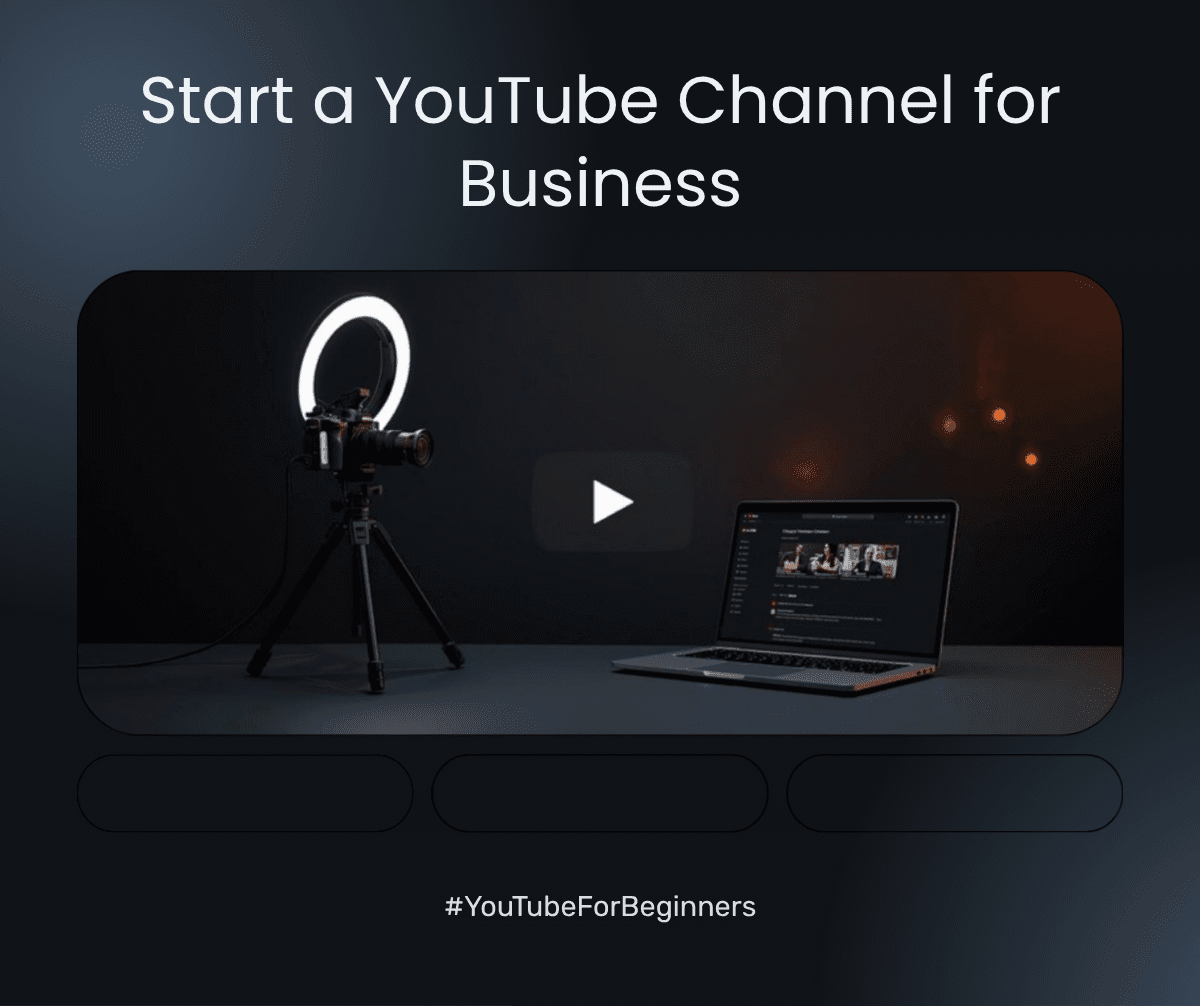
- Lighting: A $50 ring light or even a well-positioned window. Decent lighting makes a phone camera look professional.
- Software: Riverside.fm or Squadcast for remote interviews. OBS for local recording. Both are free or inexpensive.
Total startup cost: under $200. You can upgrade to a multi-camera studio setup once your podcast is generating revenue. I cover the full production workflow in our YouTube strategy program and teach it live in the Systems Over Hustle community.
Content Strategy for YouTube Podcasts
The biggest mistake new YouTube podcasters make is treating it like an audio podcast with a camera attached. YouTube is a visual medium, and your content strategy needs to reflect that. Here is the framework I teach:
- Every episode needs a searchable title. "Episode 47 with John Smith" tells YouTube nothing. "How to Build a 7-Figure Coaching Business with John Smith" targets a keyword and gives viewers a reason to click.
- Create timestamps and chapters. Long-form content needs navigation. Chapters improve watch time because viewers can jump to the sections that interest them most.
- Design click-worthy thumbnails. A thumbnail with two faces and a provocative text overlay outperforms a generic podcast logo every time. Read my thumbnail optimization guide for the exact framework.
- Clip and repurpose. Every 60-minute podcast episode contains 10 to 15 short-form clips. Use these for YouTube Shorts, Instagram Reels, TikTok, and LinkedIn. This is the Authority Flywheel in action — one piece of content becomes dozens.
Monetizing Your YouTube Podcast
If you are a business owner or coach, your podcast should generate revenue through clients, not ad reads. Here is the monetization hierarchy I recommend:
- Direct client acquisition. Every episode should include a natural mention of how you help people. Not a hard pitch — a genuine reference to a relevant service. "This is exactly what we work on in our executive coaching program" is seamless and effective.
- Community building. Drive viewers to a community or membership where they get ongoing access to you. A $97 per month community with 200 members generates $19,400 monthly recurring revenue.
- Course and product sales. Use podcast episodes to demonstrate the value of your frameworks, then offer the full system as a course or digital product.
- Sponsorships (optional). Once you hit 10,000 to 50,000 views per episode, sponsorships become viable. But for business owners, client revenue from the podcast will always exceed sponsor revenue.
The Decision Framework
Start a YouTube podcast if: you sell high-ticket services, you are a strong conversationalist, you have a network of interesting guests, and you can commit to a weekly publishing schedule for at least 6 months. Do not start one if you are looking for quick results, you are uncomfortable on camera, or you do not have a clear business model behind it.
The channels that fail at podcasting are the ones that treat it as a hobby instead of a business system. Every episode should serve a strategic purpose: build authority, generate leads, or strengthen your community. If you want help designing a podcast strategy that fits your business, book a free strategy call and we will map it out together.
Frequently Asked Questions
How long should a YouTube podcast episode be?
Most successful YouTube podcasts run 30 to 60 minutes. Shorter episodes (15 to 20 minutes) work for solo formats. Longer episodes (60 to 90 minutes) work for deep-dive interviews. Let the content dictate the length — do not pad for time or cut short to hit an arbitrary number.
Do I need to publish on audio platforms too?
Yes. Distribute your audio to Spotify, Apple Podcasts, and other platforms for maximum reach. But YouTube should be your primary platform because of its discoverability and recommendation engine. Use a service like Buzzsprout or Podbean to auto-distribute the audio version.
How many episodes before a YouTube podcast gains traction?
Plan for 20 to 30 episodes before you see meaningful traction. Most creators quit before episode 15. The compound effect of a content library takes time to build, but once the algorithm starts recommending your episodes, growth accelerates rapidly.
Can I start a YouTube podcast without showing my face?
Technically yes, but you lose the visual engagement advantage. Faceless podcasts on YouTube underperform face-on-camera formats by 40 to 60 percent in terms of subscriber conversion and watch time. If you are on YouTube, show your face.

Written by
Aaron CuhaAuthor of Crazy Simple YouTube, keynote speaker, and executive coach with 20,000+ hours logged. ICF PCC, NLP Master Practitioner, and DISC Certified. Aaron helps entrepreneurs replace hustle with AI-powered systems that generate leads, content, and revenue on autopilot.